
Common Supplier Onboarding Mistakes That Compound Over Time

Most supplier onboarding problems don't announce themselves immediately. They accumulate quietly over months or years, building technical debt and operational friction that becomes harder to fix as the supplier base grows.
A shortcut taken with one supplier becomes standard practice. An exception made in the name of speed gets repeated. Incomplete data gets carried forward. By the time these issues become visible, they've already spread across hundreds of supplier records.
The challenge is that these mistakes feel reasonable in the moment. They save time. They keep the business moving. They avoid conflict. It's only later, when an audit arrives or leadership asks for visibility, that teams realize the cost of those early compromises.
Here are the most common onboarding mistakes that compound over time, and what to do instead.
Mistake 1: Treating All Suppliers the Same
Using the same onboarding process for every supplier feels fair and consistent. In practice, it's inefficient and risky.
A low-risk office supply vendor doesn't need the same level of validation as a critical manufacturing partner or a supplier handling sensitive data. But when everyone goes through the same process, teams either over-validate low-risk suppliers or under-validate high-risk ones.
Over time, this creates problems:
- Low-risk suppliers experience unnecessary friction and delays
- High-risk suppliers slip through without proper scrutiny
- Procurement spends equal effort on unequal risks
- Compliance gaps go unnoticed until an audit or incident
What to do instead: Segment suppliers early based on risk, spend, and business impact. Apply different levels of validation accordingly. This doesn't mean inconsistency. It means appropriate rigor.
Mistake 2: Collecting Data Without Structure
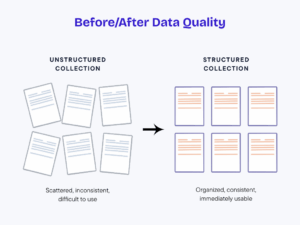 Asking suppliers to 'send us your information' seems simple. But without structure, you get inconsistent formats, incomplete responses, and data that's difficult to use later.
One supplier sends a PDF. Another sends a Word doc. A third one emails scattered details across multiple messages. Each response requires manual interpretation and re-entry into your systems.
This creates long-term problems:
- No single source of truth for supplier information
- Difficulty comparing suppliers or aggregating data
- Manual work to extract and verify information
- Audit preparation becomes a scramble to find and validate documents
What to do instead: Use standardized data collection from the start. Give suppliers clear forms or portals where they can provide information in consistent formats. This makes data immediately usable and reduces back-and-forth.
Mistake 3: Accepting 'We'll Get That Later'
When a supplier is missing required documentation, the path of least resistance is to approve them anyway with a plan to collect it later. The business needs to move. The supplier seems trustworthy. It's just one document.
But 'later' rarely comes. The document never gets submitted. The reminder gets lost. The exception becomes permanent.
As this pattern repeats, you end up with:
- Active suppliers with incomplete compliance records
- No reliable way to know which suppliers are actually compliant
- Increased risk exposure that's difficult to quantify
- Audit findings that reveal systemic gaps
What to do instead: Make critical requirements non-negotiable before approval. If a document is truly required, don't proceed without it. If it's not required, remove it from the checklist. Clear requirements prevent exceptions from becoming the norm.
Mistake 4: Storing Documents in Email and Shared Drives
Email and shared folders are convenient places to receive and store supplier documents. They're also where information goes to disappear.
When someone leaves the team, their email archive leaves with them. When files get reorganized, old versions linger. When naming conventions aren't followed, documents become unfindable.
This leads to:
- Multiple versions of the same document with no clear 'current' version
- Lost documents that have to be re-requested from suppliers
- Knowledge concentrated in specific people who 'know where things are'
- Inability to quickly respond to audit or compliance requests
What to do instead: Centralize supplier documents in a system designed for retrieval. Every document should have a clear owner, version history, and expiration tracking. If you can't find a document in 30 seconds, your storage approach needs improvement.
Mistake 5: Onboarding Without Integration
When supplier data lives in one system and financial or operational data lives in another, teams end up re-entering the same information multiple times. This creates version conflicts, data errors, and wasted effort.
The procurement team approves a supplier. Finance sets them up in the ERP. Operations adds them to the vendor portal. Each system has slightly different information. When something changes, updates don't propagate.
Over time, this creates:
- Inconsistent supplier data across systems
- Manual reconciliation work to resolve conflicts
- Delays when suppliers need updates or changes
- No reliable single source of truth
What to do instead: Design onboarding with integration in mind from the start. Supplier data should flow from validation through approval into downstream systems without manual re-entry. This reduces errors and ensures consistency.
Mistake 6: Relying on Point-in-Time Validation
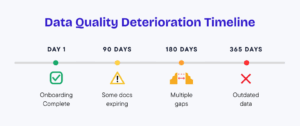
Onboarding validates a supplier at a single moment in time. But suppliers change. Certifications expire. Financial conditions deteriorate. Ownership transfers. Without ongoing monitoring, your supplier data becomes outdated the moment onboarding is complete.
Teams often discover these changes too late:
- An insurance certificate expired months ago
- A supplier's financial health declined significantly
- Ownership changed and compliance requirements no longer apply
- Regulatory requirements changed and suppliers aren't compliant
What to do instead: Build ongoing monitoring into your supplier management process. Track document expiration. Monitor financial indicators. Watch for ownership changes. Onboarding should establish the baseline, not represent the entire validation effort.
Mistake 7: Making Exceptions Without Documentation
Every procurement team makes exceptions. The critical supplier who needs expedited approval. The unique situation that doesn't fit standard workflows. The one-time circumstance that requires flexibility.
The problem isn't the exception itself. It's the lack of documentation around why it was made, who approved it, and what compensating controls exist.
Undocumented exceptions create:
- Precedents that other suppliers expect to receive
- Audit findings when exceptions can't be justified
- Erosion of standards over time
- Confusion about what the actual process is
What to do instead: When exceptions are necessary, document them thoroughly. Capture the reason, the approver, and any additional risk mitigation. This maintains accountability while preserving the flexibility to handle unique situations.
Mistake 8: Optimizing for Speed Over Quality
When the business is waiting on supplier approval, pressure mounts to move faster. Cut corners. Skip steps. Get suppliers approved now and worry about compliance later.
This creates a dangerous pattern where speed becomes the primary metric and quality becomes optional. Suppliers get approved with incomplete information. Validation becomes cursory. Standards erode.
The consequences compound:
- Risk exposure increases across the supplier base
- Compliance gaps become systematic, not exceptional
- Teams lose confidence in their own data
- Remediation becomes a continuous backlog
What to do instead: Design processes that are both fast and thorough. Speed and quality aren't opposites. Automation, clear requirements, and efficient workflows enable both. When you have to choose, choose quality. The cost of fixing bad data later always exceeds the cost of collecting good data upfront.
The Compounding Effect
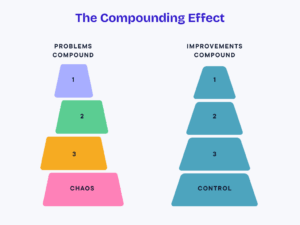 These mistakes don't exist in isolation. They interact and amplify each other.
Treating all suppliers the same leads to collecting data without structure. Accepting 'we'll get that later' results in documents stored haphazardly. Onboarding without integration creates point-in-time validation problems. Each mistake makes the others worse.
The good news is that improvement also compounds. Fix one area and others become easier to address. Segment suppliers properly and data collection becomes more targeted. Structure data collection and integration becomes simpler. Build ongoing monitoring and exceptions become less necessary.
Where to Start
If these mistakes feel familiar, you're not alone. Most procurement teams inherit some version of these problems. The question isn't whether they exist but what to do about them.
Start with the issues causing the most immediate pain. If audit preparation is chaotic, focus on document management and version control. If onboarding takes too long, examine whether you're over-validating low-risk suppliers. If data quality is poor, implement structured collection.
The goal isn't perfection. It's progress. Each improvement reduces the technical debt you're carrying and makes the next improvement easier.
Building It Right From the Start
The best time to address these mistakes is before they become patterns. The second-best time is now.
Whether you're fixing existing processes or building new ones, the principles remain the same. Segment suppliers by risk. Collect structured data. Enforce critical requirements. Centralize documents. Integrate systems. Monitor continuously. Document exceptions. Balance speed with quality.
Do this well, and supplier onboarding becomes a foundation for growth instead of a source of technical debt.
Build Supplier Onboarding That Scales
Trust Your Supplier helps procurement teams avoid these common mistakes by providing structured, scalable supplier onboarding from day one. Our platform guides suppliers through risk-appropriate validation, centralizes documentation, integrates with your systems, and monitors compliance continuously so you build quality into the process instead of fixing problems later.
Want to see what foundational supplier onboarding looks like in practice? Take our 5-minute interactive tour to explore how complete, verified supplier data flows from pre-qualification through onboarding into your systems—building the foundation everything else depends on.
Ready to discuss how this could work for your organization? Our team helps companies build supplier onboarding that scales. Let's talk about what that could look like for you.
This is Part 4 of our Supplier Management at Scale series:
Part 1: When Supplier Risk Outgrows a Small Team
Part 2: Supplier Management Scalability: Practical Steps for Growing Organizations
Part 3: How to Choose the Right Supplier Management Platform
Part 4: Common Supplier Onboarding Mistakes That Compound Over Time
Missed an article? Select from the full series below.