
How to Choose the Right Supplier Management Platform

Most supplier management platforms look similar in demos. Clean dashboards. Workflow automation. Compliance tracking. Integration capabilities. The differences only become clear later, often after implementation is already underway.
By then, teams realize the platform was built for a different type of organization. Maybe it requires dedicated administrators that your team doesn't have. Or the workflows are too rigid to match how you actually work. Or the data structure doesn't support the visibility you need.
Choosing the right platform isn't about features. It's about fit. The best solution is the one that works with your team, adapts to your growth, and doesn't force you to change how you operate.
Start With How You Actually Work
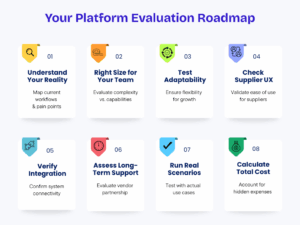
Before evaluating platforms, understand your current reality. Not your ideal state. Your actual day-to-day operations.
Ask your team:
- Where does supplier information live today?
- Who touches supplier data and when?
- What breaks down when someone is out, or a supplier needs urgent approval?
- Which supplier-related tasks consume the most time?
- What questions does leadership regularly ask that you struggle to answer quickly?
These answers reveal what you actually need from a platform. Not what vendors say you should need. What would genuinely make your team more effective?
Evaluate for Your Organization Size
Platforms built for enterprises often overwhelm mid-market teams. They require dedicated system administrators, extensive training, and change management resources that most organizations don't have. Meanwhile, tools designed for small businesses can't handle the complexity that comes with growth.
For mid-market organizations, look for platforms that:
- Can be managed by procurement staff, not IT specialists
- Get teams productive quickly without months of training
- Scale with growth without requiring platform replacement
- Provide clear value without enterprise-level complexity
The right platform should feel like it was designed for teams your size, not adapted from something larger.
Prioritize Adaptability Over Feature Lists
Feature comparisons can be misleading. A platform might check every box on your requirements list, but still fail in practice if it can't adapt to how you work.
Instead of counting features, evaluate flexibility:
- Can workflows be configured without developer support?
- Can you segment suppliers and apply different requirements by risk level or type?
- Can you add new compliance requirements without rebuilding processes?
- Can the platform grow with you as your needs evolve?
Rigid systems force you to change how you operate. Adaptable platforms work the way you need them to.
Test the Supplier Experience
Your team isn't the only user of a supplier management platform. Your suppliers use it too. If the supplier experience is poor, onboarding becomes friction instead of efficiency.
During evaluation, pay attention to:
- How intuitive is the supplier portal?
- Do suppliers see only what's relevant to them?
- Can suppliers easily provide and update information?
- Does the system reduce back-and-forth or create more work?
A good supplier experience means fewer follow-ups, faster onboarding, and better data quality. A poor one means your team spends time managing the tool instead of using it.
Understand What 'Integration' Really Means
Every platform claims to integrate with your existing systems. What that actually means varies widely.
Some platforms offer true bidirectional sync. Others provide basic data export. Some require custom development for every connection.
Ask specific questions:
- What systems does it integrate with out of the box?
- What data flows in each direction?
- Who maintains the integration—your team, their team, or a third party?
- What happens when your ERP or other systems get updated?
Integration should reduce manual work, not create new technical dependencies.
Look Beyond Implementation to Ongoing Support
Implementation gets a lot of attention during evaluation. But what happens after go-live matters just as much.
Consider the long-term relationship:
- How responsive is support when issues arise?
- Can your team make changes independently or do you need vendor support?
- How often does the platform release updates and improvements?
- Does the vendor understand your industry and challenges?
A platform is only as good as the team behind it. Choose a vendor who will be a partner, not just a software provider.
Validate With a Real Use Case
Demos are polished. Reference calls are curated. To really understand fit, test the platform with something real.
Bring a specific scenario from your operation:
- Onboarding a supplier in a new market with unique compliance requirements
- Managing suppliers with different risk profiles and documentation needs
- Responding to an audit request across your full supplier base
Ask the vendor to walk through how the platform would handle it. Not in theory. In practice. This reveals whether the platform can actually do what you need.
Consider Total Cost of Ownership 
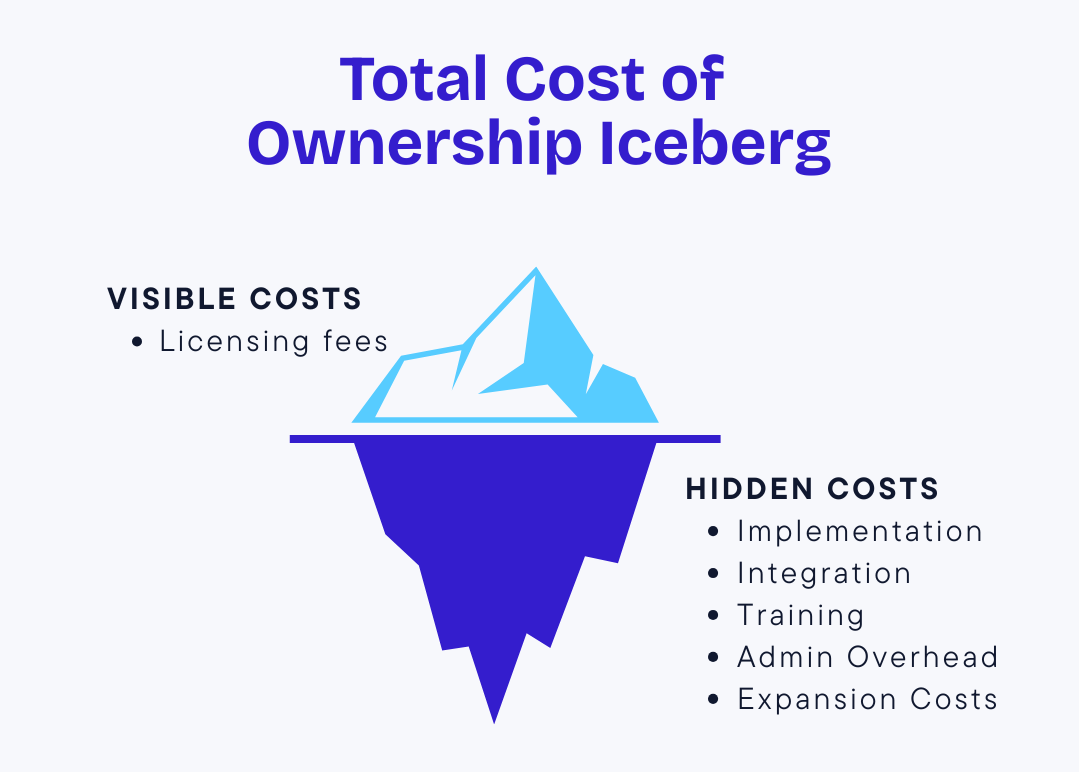
Platform pricing is rarely straightforward. Licensing costs are just the beginning.
Factor in:
- Implementation and configuration costs
- Integration development and maintenance
- Training and change management resources
- Ongoing support and administrative overhead
- Costs to expand as your needs grow
A lower-priced platform that requires extensive customization and support often costs more than a higher-priced platform that works out of the box.
The Decision Framework 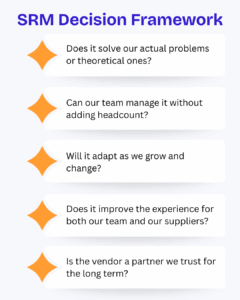
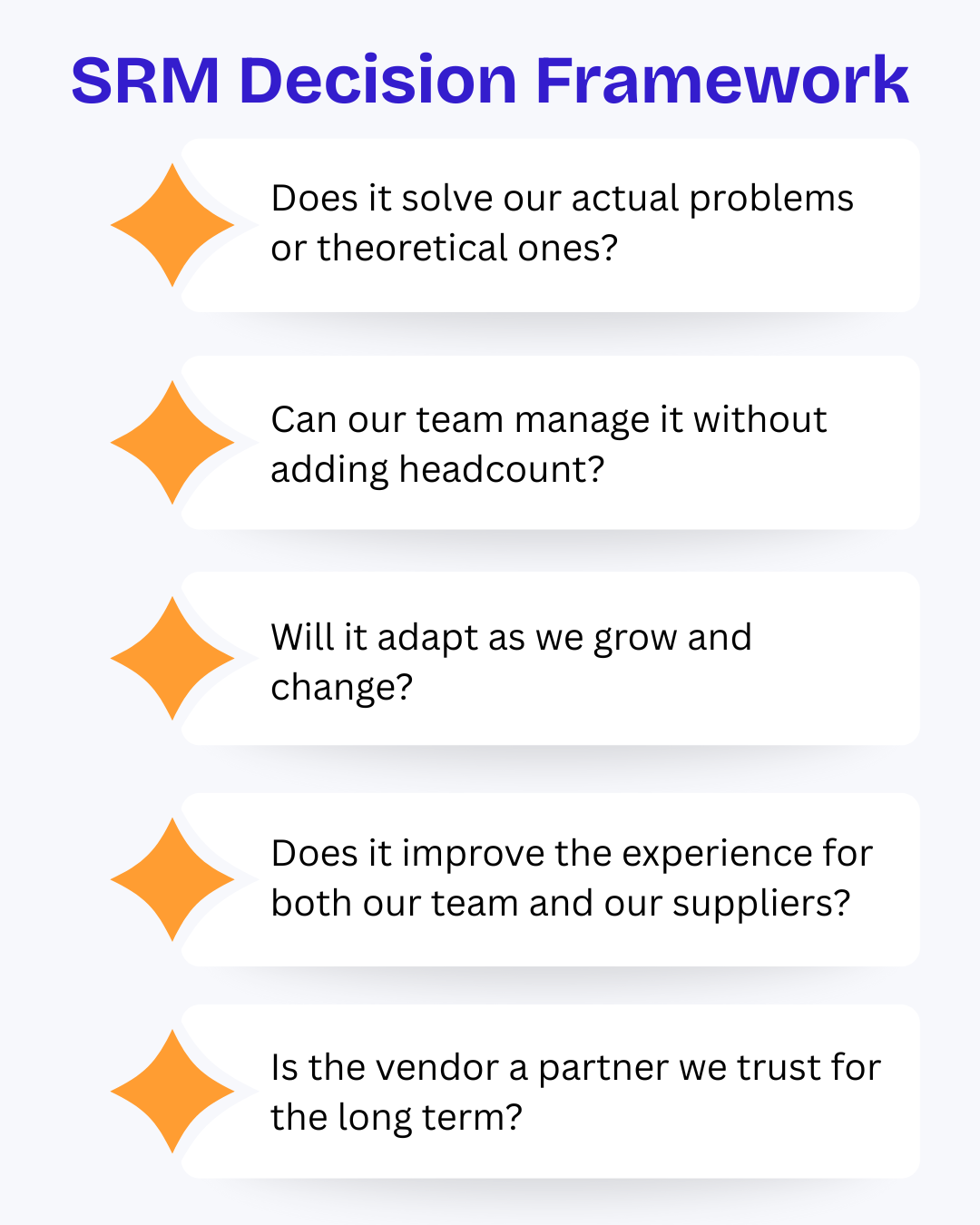
When evaluating platforms, ask these fundamental questions:
- Does it solve our actual problems or theoretical ones?
- Can our team manage it without adding headcount?
- Will it adapt as we grow and change?
- Does it improve the experience for both our team and our suppliers?
- Is the vendor a partner we trust for the long term?
If the answer to any of these is no, keep looking.
Making the Choice
The right supplier management platform doesn't announce itself with the longest feature list or the most aggressive sales pitch. It reveals itself through fit. How well it matches your operations. How easily your team can use it. How confidently it can grow with you.
Choose the platform that makes your team more effective today while preparing you for what comes next. That's the one worth implementing.
See How Trust Your Supplier Fits
TYS Essentials was built specifically for mid-market procurement teams who need enterprise-quality supplier management without enterprise complexity. Our platform adapts to your workflows, scales with your growth, and delivers value from day one, all without requiring dedicated administrators or months of training.
See it in action: Take our 5-minute interactive tour to explore how complete, verified supplier data flows from pre-qualification through onboarding into your systems. Or schedule a conversation with our team to discuss how TYS could work for your organization.
This is Part 3 of our Supplier Management at Scale series:
Part 1: When Supplier Risk Outgrows a Small Team
Part 2: Supplier Management Scalability: Practical Steps for Growing Organizations
Part 3: How to Choose the Right Supplier Management Platform
Part 4: Common Supplier Onboarding Mistakes That Compound Over Time
Next: Read Part 4 → or Select from the full series below.